
Top 3 Signs of Vein Disease (Do You Have It?) – A Madison, WI Patient Guide
Vein disease is one of the most underdiagnosed medical conditions affecting adults—especially here in Madison, Wisconsin, where many people spend long hours standing, walking, or sitting at desks. What often begins as minor leg discomfort can slowly progress into a chronic medical issue that impacts circulation, skin health, mobility, and quality of life.
Many patients tell us:
- “I thought it was just aging.”
- “I assumed everyone’s legs hurt at the end of the day.”
- “I didn’t know varicose veins were a medical condition.”
The reality is that vein disease is common, progressive, and highly treatable—especially when caught early.
This in-depth guide breaks down the top three signs of vein disease, explains why they happen, and helps you understand when it’s time to seek expert vein care in Madison, WI.
Understanding Vein Disease
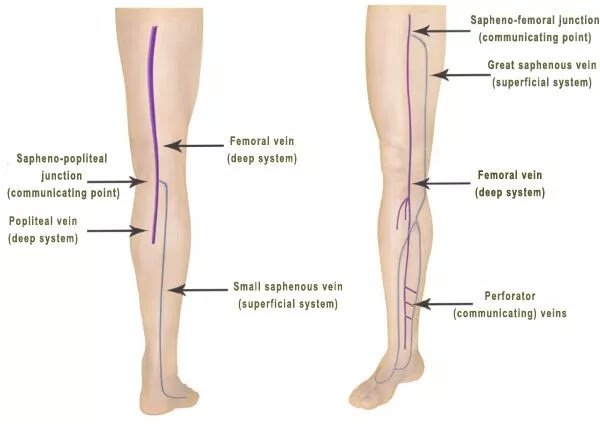
Vein disease—most commonly chronic venous insufficiency (CVI)—occurs when the valves inside your leg veins weaken or fail. Instead of blood flowing efficiently back to the heart, it pools in the legs, increasing pressure and causing symptoms that worsen over time.
Risk factors common in the Madison area include:
- Long periods of standing or sitting (healthcare workers, teachers, office jobs)
- Pregnancy
- Family history of vein disease
- Previous blood clots
- Weight changes
- Aging
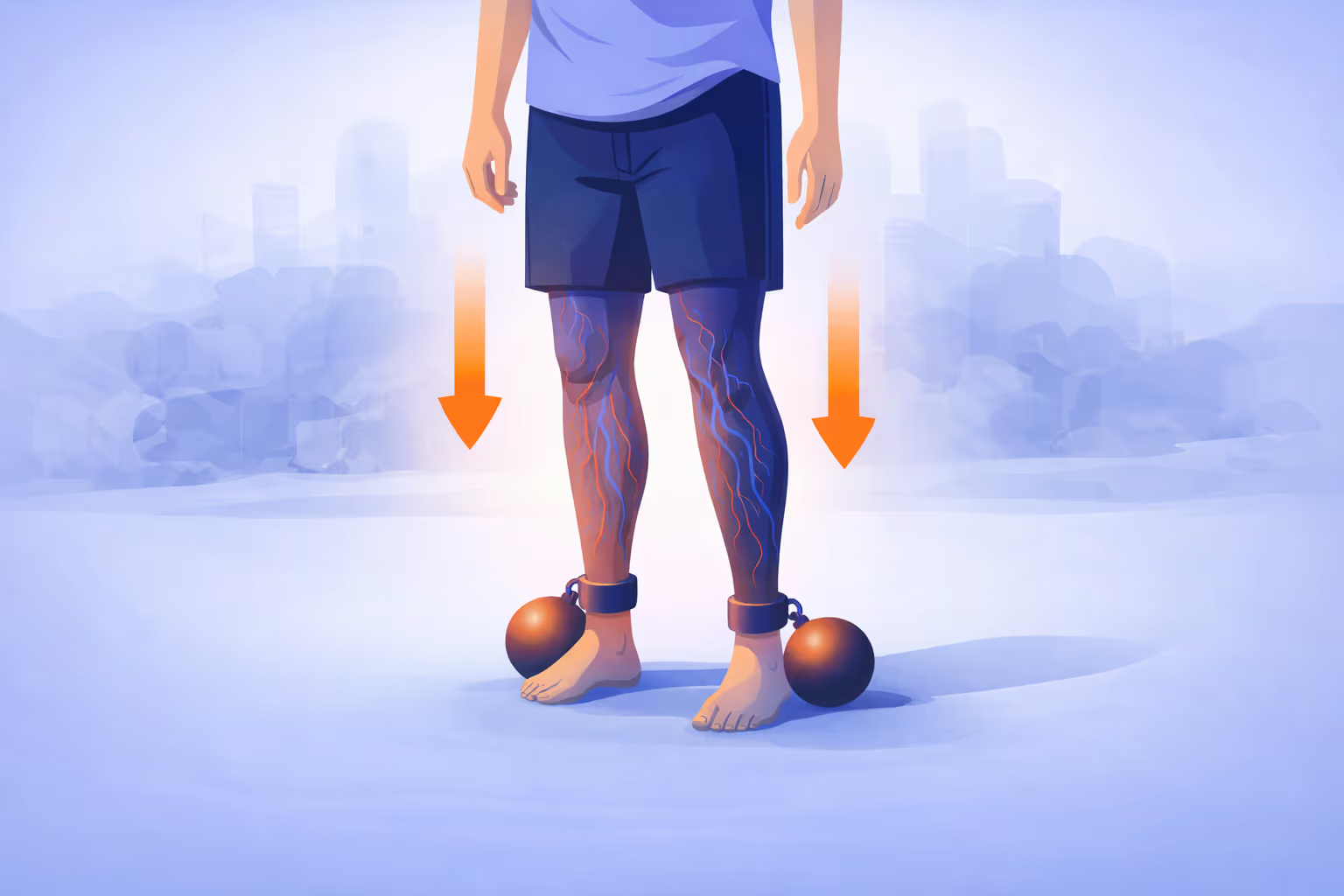
Sign #1: Achy, Heavy, or Painful Legs
One of the earliest and most overlooked signs of vein disease is persistent leg discomfort.
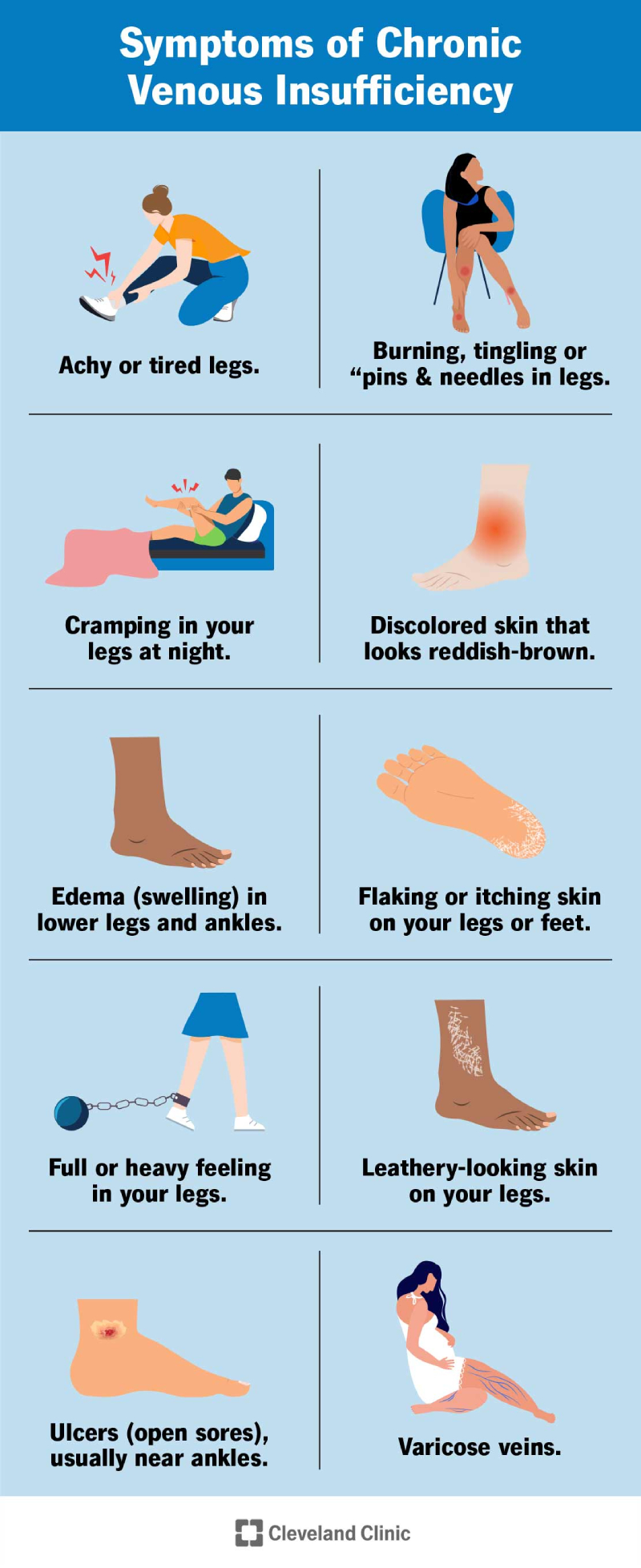
Common symptoms:
- Aching or throbbing in the calves or thighs
- A heavy or “dragging” feeling in the legs
- Leg fatigue that worsens throughout the day
- Pain after standing or sitting too long
- Relief when legs are elevated
Many Madison patients initially assume this pain is related to:
- Arthritis
- Muscle strain
- Running or exercise
- Back or joint issues
However, vein-related pain typically:
- Gets worse as the day goes on
- Improves with leg elevation
- Is worse in warm weather
- Feels dull, heavy, or pressure-like rather than sharp
👉 If your legs feel better in the morning and worse at night, vein disease should be ruled out.
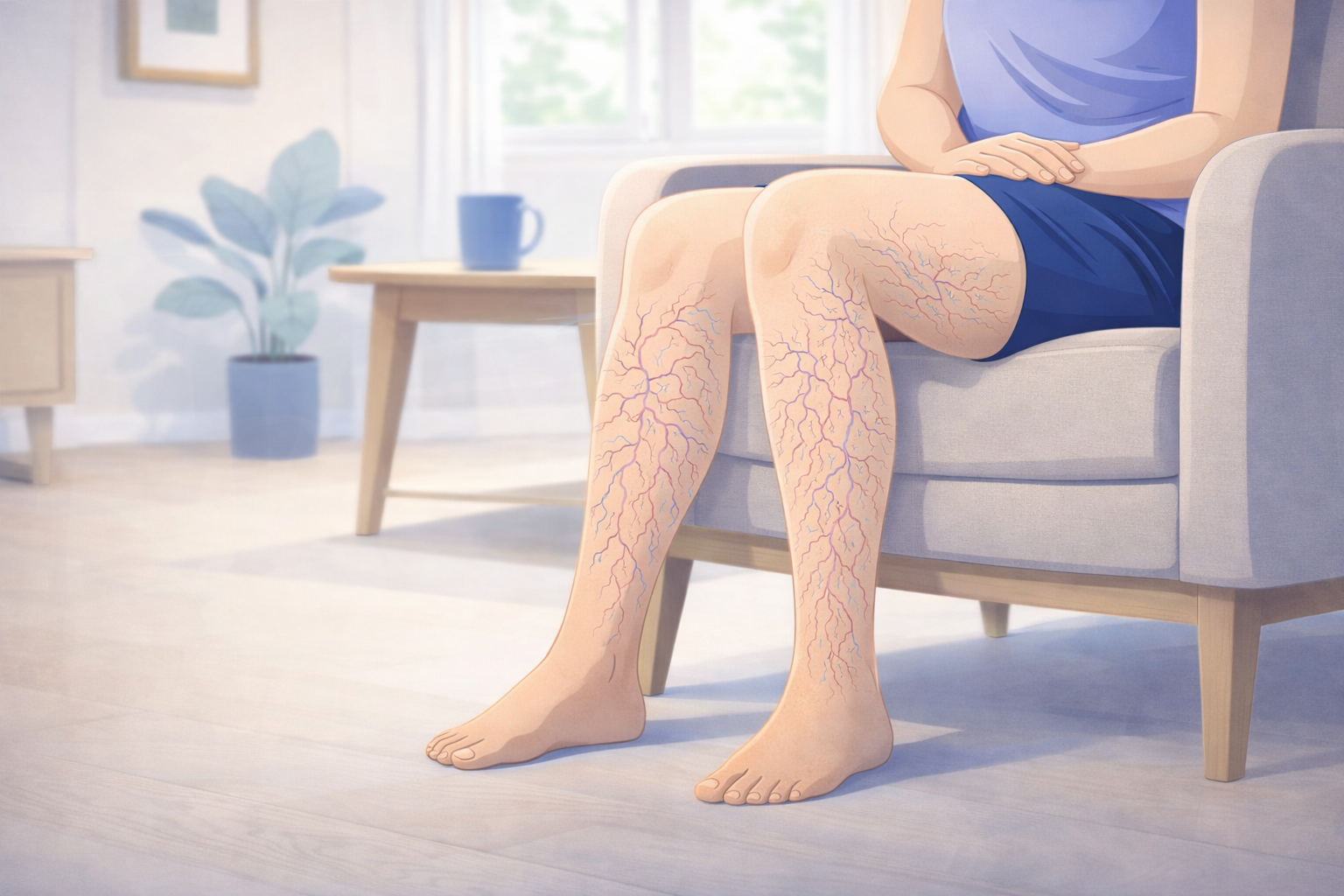
Sign #2: Varicose Veins or Spider Veins
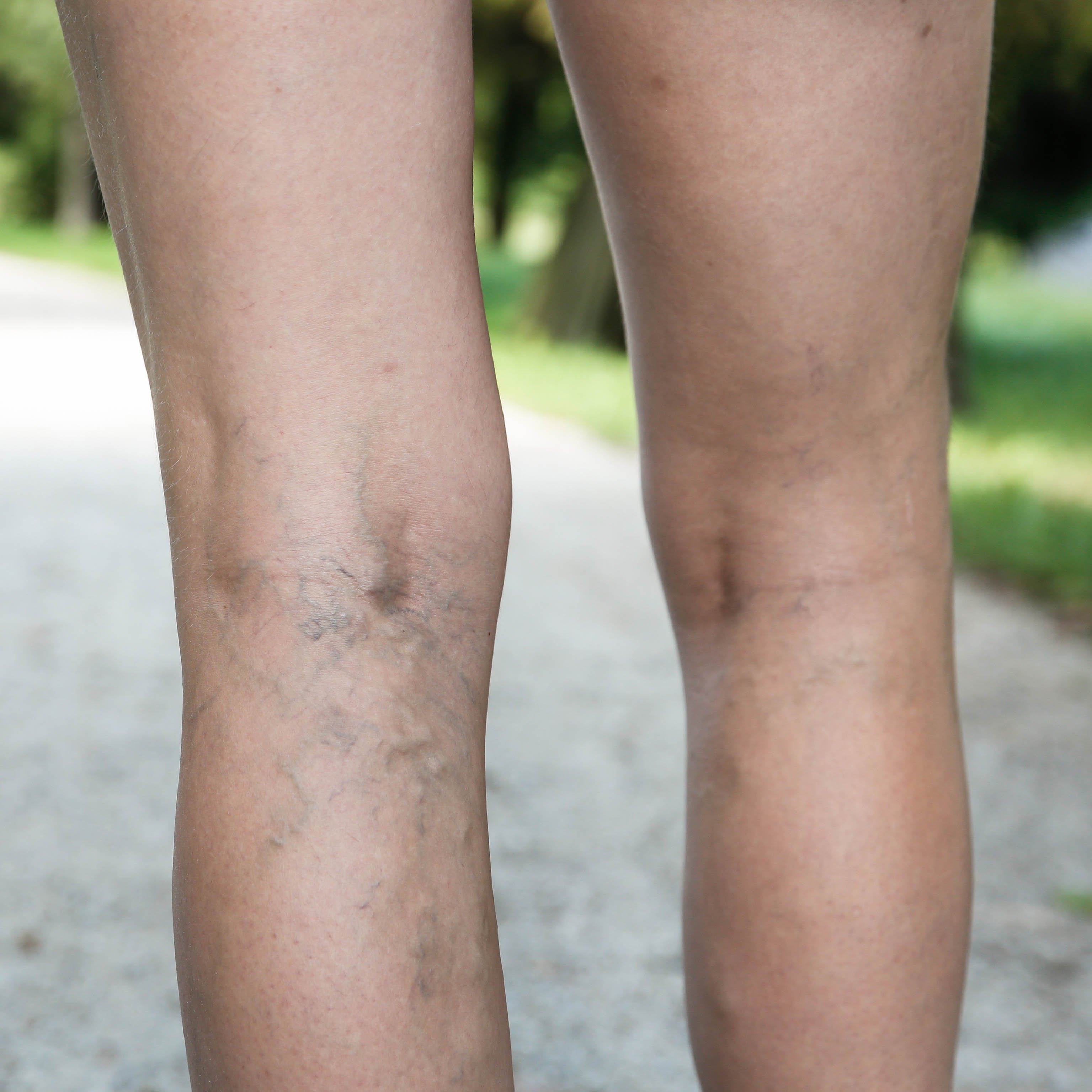
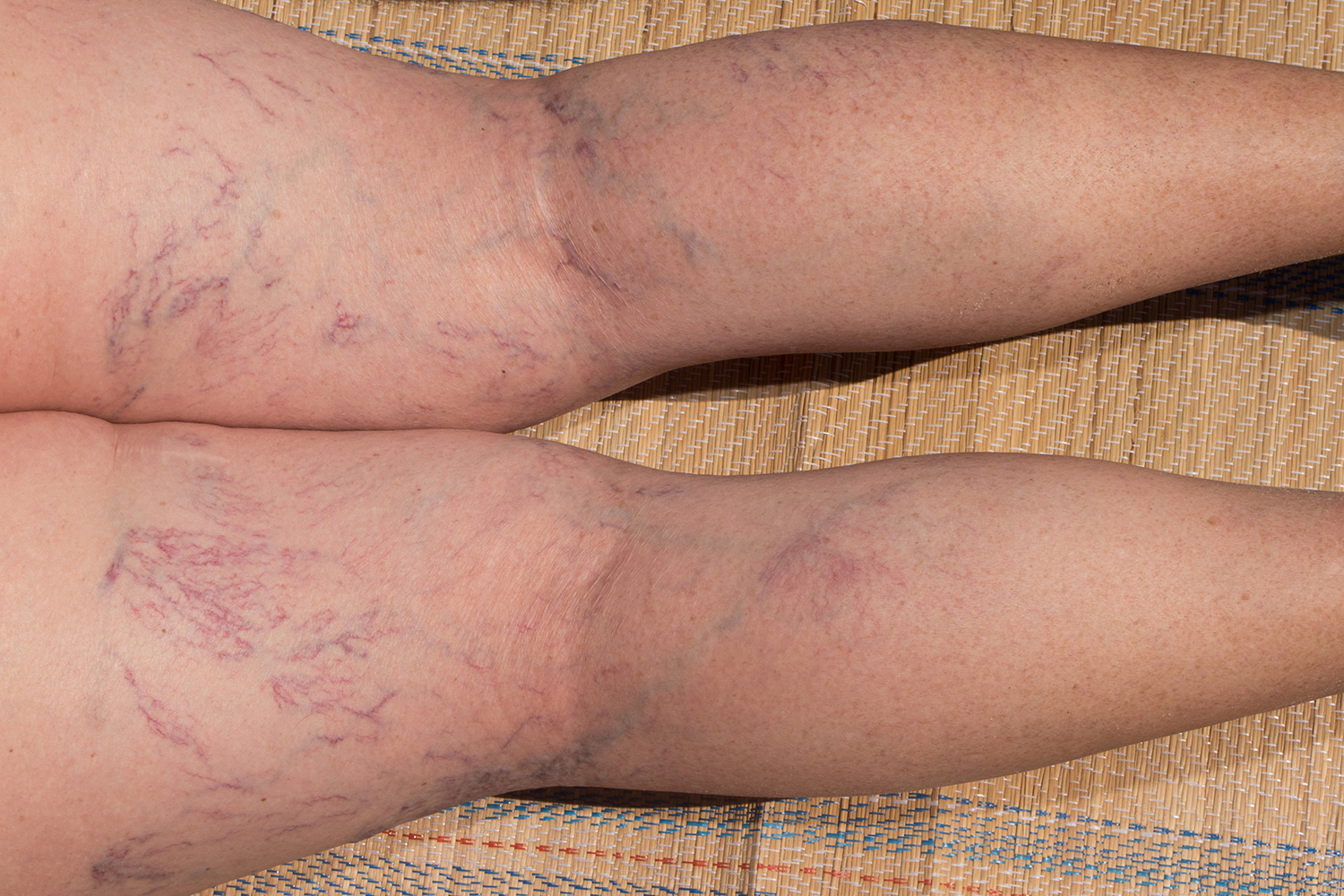
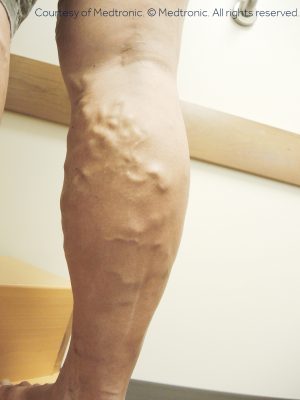
Visible veins are often dismissed as cosmetic—but in many cases, they are external signs of deeper vein disease.
Varicose veins may appear as:
- Bulging, twisted blue or purple veins
- Rope-like veins raised above the skin
- Veins that ache, burn, or itch
Spider veins often look like:
- Red, blue, or purple web-like lines
- Small branching veins near the skin’s surface
- Veins that slowly spread or darken over time
Why visible veins matter:
Varicose and spider veins usually indicate malfunctioning valves in deeper veins, not just surface-level issues. Treating only what you see without addressing the underlying cause often leads to recurrence.
✔️ A medical vein ultrasound can determine whether your visible veins are cosmetic or signs of chronic venous insufficiency.
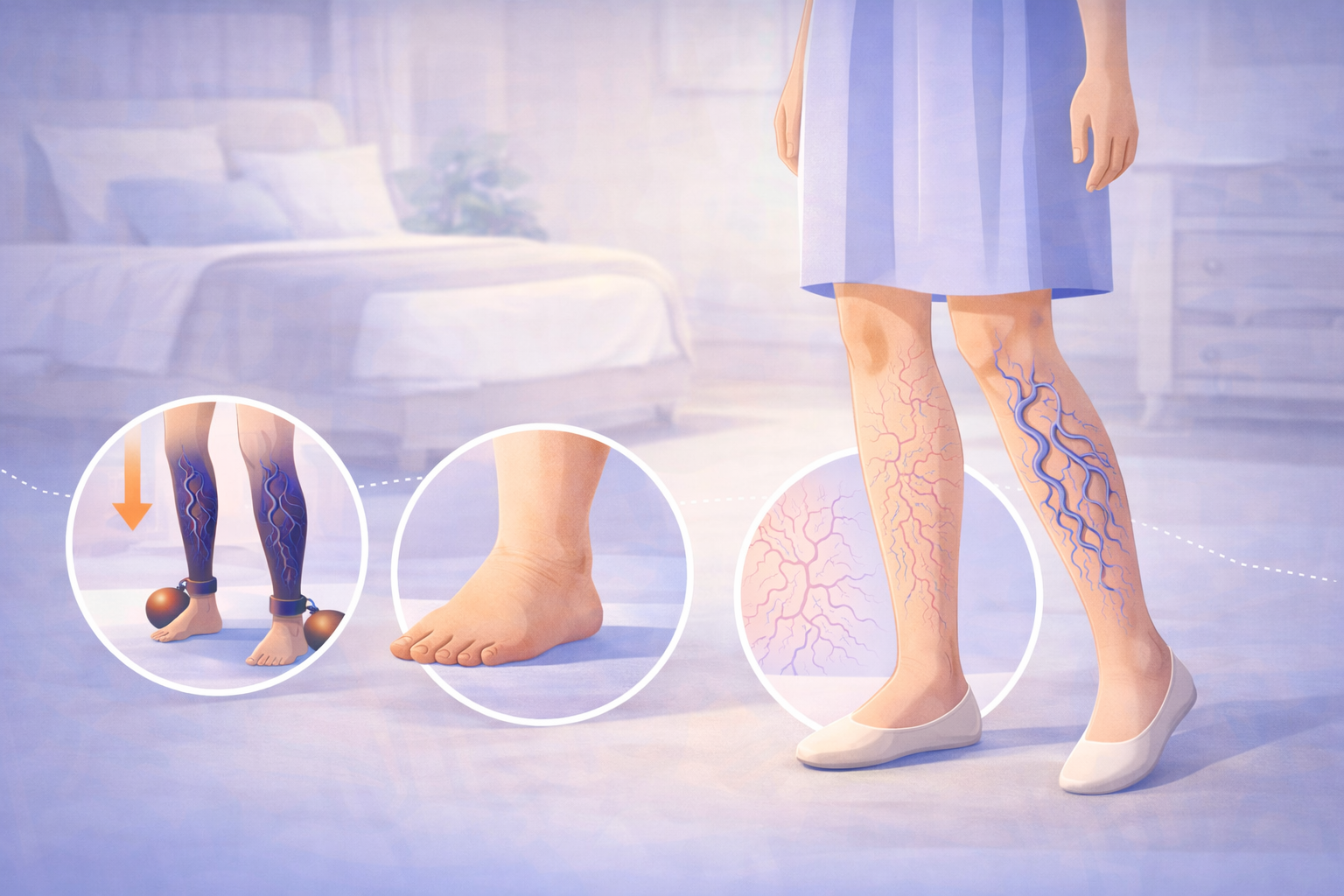
Sign #3: Swelling, Skin Changes, or Nighttime Leg Symptoms


As vein disease progresses, symptoms often become more noticeable—and more concerning.
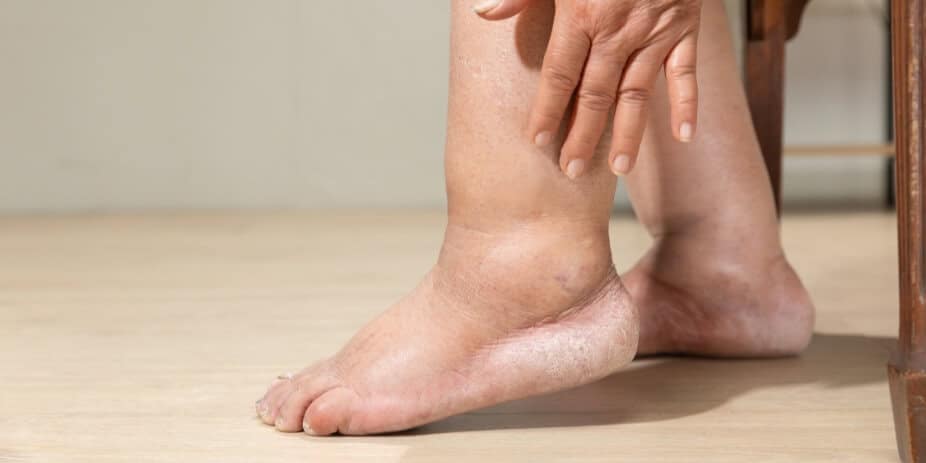
Swelling (Edema)
- Ankles or feet swelling by evening
- Shoes feeling tight late in the day
- Sock marks left on the skin
Swelling caused by vein disease typically:
- Worsens as the day goes on
- Improves overnight
- Is more pronounced in warm weather
Skin Changes
Long-standing vein disease can lead to:
- Brown or purple skin discoloration
- Dry, itchy, inflamed skin (venous stasis dermatitis)
- Thickened or tight skin around the ankles
Restless Legs & Night Cramps
- Urge to move legs at night
- Cramping in calves or feet
- Poor sleep due to leg discomfort
🚨 Skin changes and swelling indicate advanced venous pressure and should not be ignored.
What Happens If Vein Disease Is Left Untreated?
Without treatment, vein disease may progress to:
- Chronic leg pain
- Severe swelling
- Skin breakdown
- Venous ulcers (open wounds)
- Increased risk of infection
Early diagnosis allows for simpler, faster, and more comfortable treatment options.
How Vein Disease Is Diagnosed
A proper vein evaluation includes:
- Detailed symptom review
- Physical examination
- Non-invasive venous ultrasound to assess blood flow and valve function
This imaging identifies the root cause, ensuring treatment is accurate and effective.
Advanced Vein Treatment in Madison, WI
At Vein Center of Wisconsin, we provide comprehensive medical vein care tailored to patients across Madison and Dane County.
Our treatments include:
- Endovenous laser or radiofrequency ablation
- Medical sclerotherapy
- Ultrasound-guided vein procedures
- Personalized treatment plans
All treatments are:
- Minimally invasive
- Performed in-office
- No hospital stay required
- Minimal downtime
Most patients return to normal activities the same day.
When Should You See a Vein Specialist in Madison?
You should consider an evaluation if:
- Your legs ache or feel heavy regularly
- You notice varicose or spider veins
- Your ankles or legs swell by evening
- You experience skin changes or restless legs
- Symptoms improve when you elevate your legs
Local, Specialized Vein Care Matters
Seeing a dedicated vein center ensures:
- Accurate diagnosis
- Evidence-based treatment
- Long-term symptom relief
- Prevention of disease progression
Your legs play a vital role in your daily life—walking the lakes, biking the trails, working, and staying active in Madison.
Take the Next Step
Leg pain is not normal aging.
Visible veins are not just cosmetic.
Vein disease is real—and treatable.
If you’re experiencing symptoms, scheduling a medical vein evaluation can provide clarity, peace of mind, and relief.
Healthy circulation starts with understanding the signs.