
Do You Have Restless Leg Syndrome?
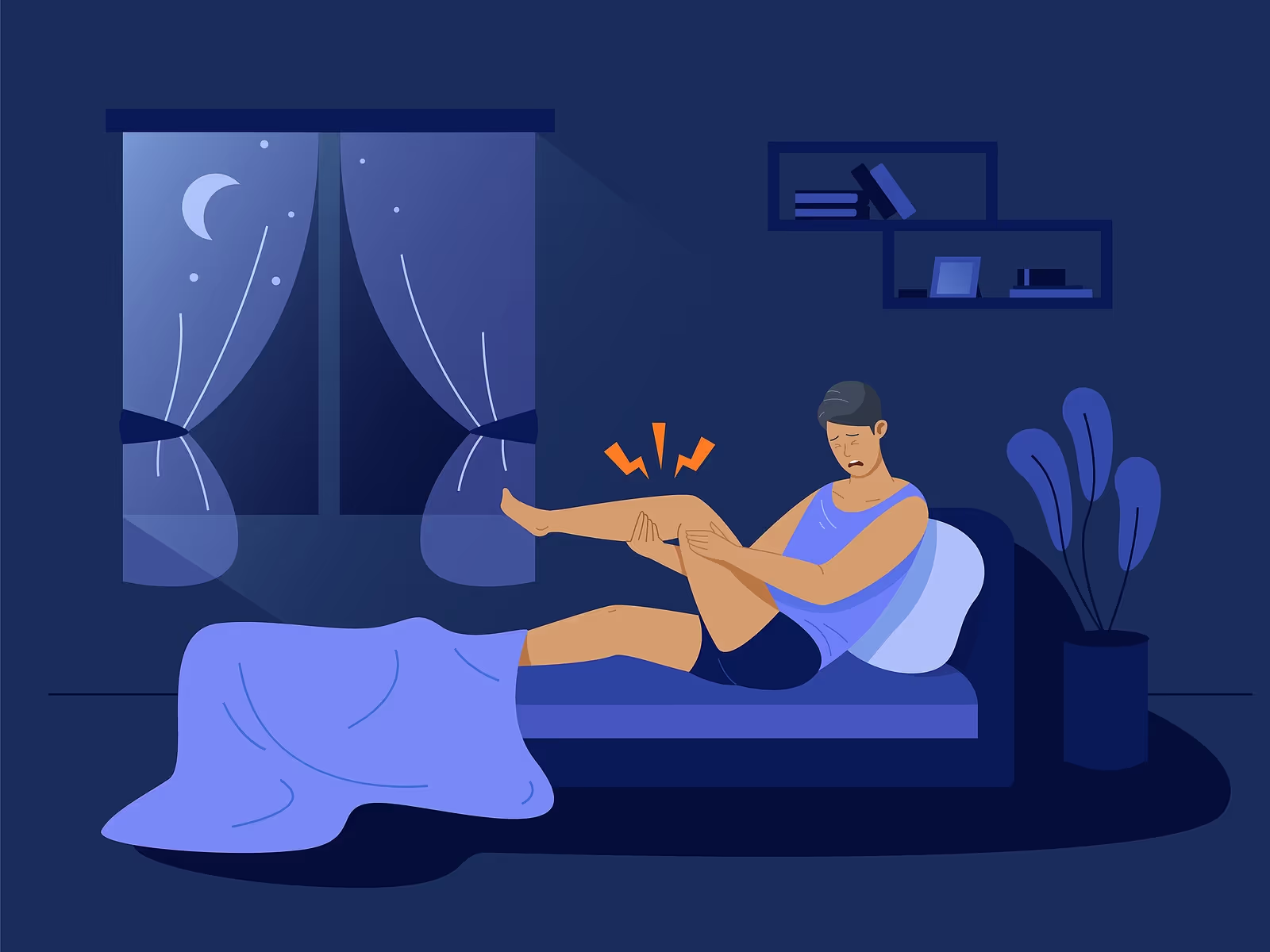
Have you ever laid down at night, ready for sleep, only to feel an uncomfortable urge to move your legs? Maybe it feels like tingling, crawling, pulling, or an aching sensation that just won’t let you relax. If this sounds familiar, you may be experiencing Restless Leg Syndrome (RLS).
RLS is more common than many people realize—and it often goes undiagnosed. Let’s break down what it is, what it feels like, and when you should consider getting help.
What Is Restless Leg Syndrome?
Restless Leg Syndrome is a neurological condition that causes uncomfortable sensations in the legs and an irresistible urge to move them. Symptoms typically occur during periods of rest—especially in the evening or at night—and improve temporarily with movement.
RLS can range from mildly annoying to severely disruptive, particularly when it interferes with sleep.
Common Symptoms of RLS
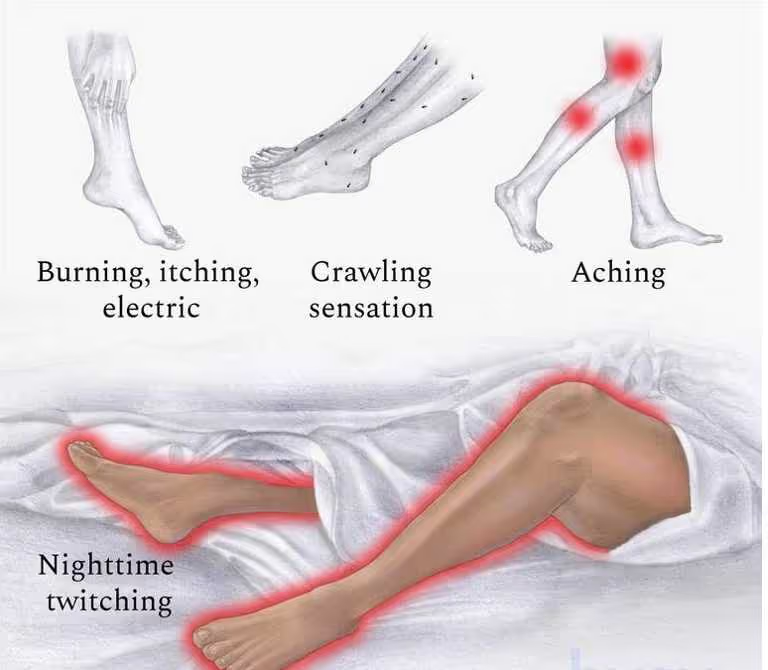
People describe RLS sensations in different ways, but the most common symptoms include:
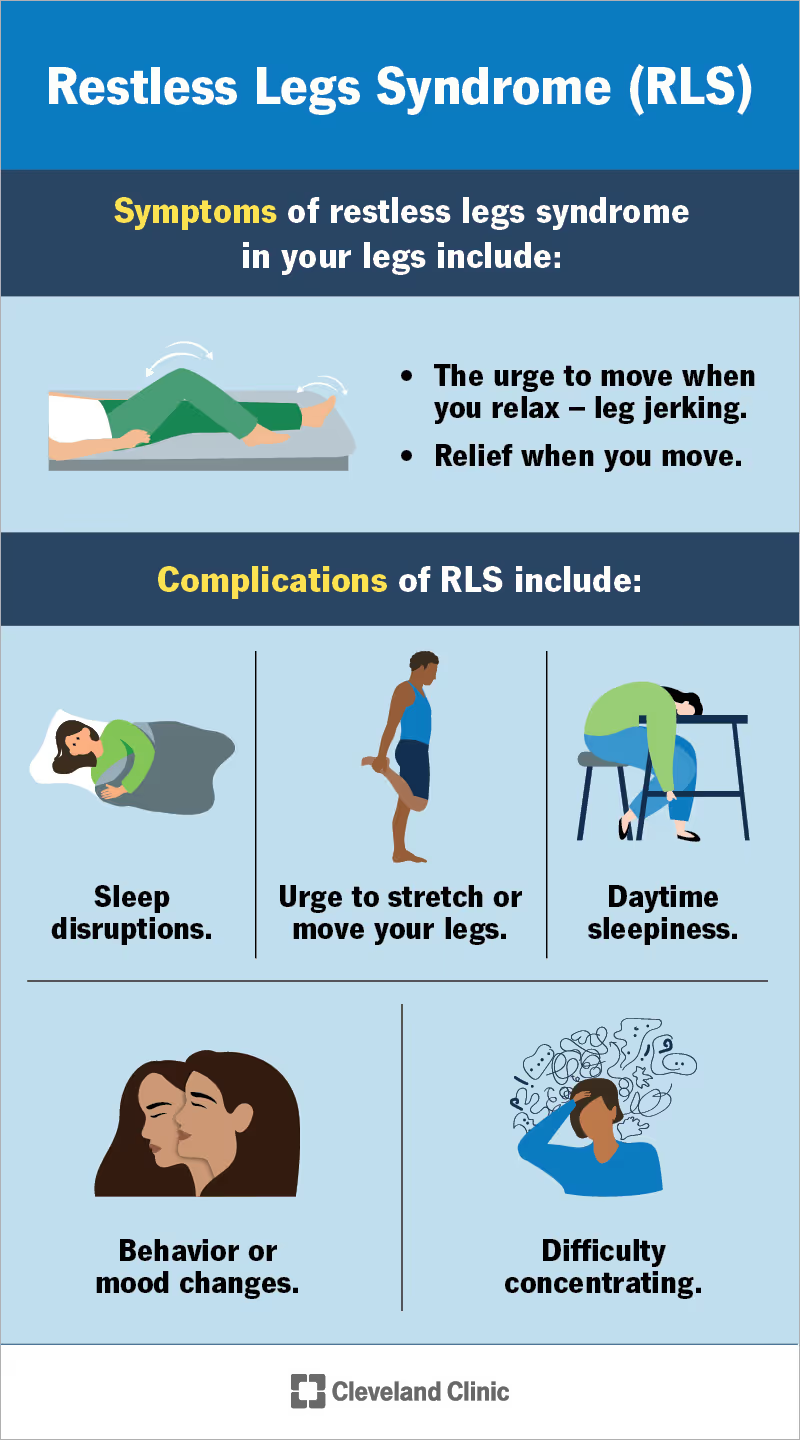
- A strong urge to move your legs
- Tingling, crawling, itching, or pulling sensations
- Deep aching or throbbing feelings
- Symptoms that worsen at night
- Temporary relief when walking, stretching, or moving
These sensations usually occur when sitting or lying down, making it difficult to fall asleep or stay asleep.
What Causes Restless Leg Syndrome?
The exact cause of RLS isn’t always clear, but it’s often associated with:
- Iron deficiency
- Poor circulation or vascular issues
- Nerve dysfunction
- Pregnancy
- Kidney disease
- Certain medications
- Chronic conditions like diabetes or neuropathy
In many cases, RLS may be a sign of an underlying issue rather than a condition on its own.
Why RLS Shouldn’t Be Ignored
Because RLS often disrupts sleep, it can lead to:
- Chronic fatigue
- Difficulty concentrating
- Mood changes or irritability
- Reduced quality of life
Over time, poor sleep affects everything from heart health to mental well-being. That’s why persistent leg discomfort—especially at night—should be taken seriously.
How Is Restless Leg Syndrome Diagnosed?
There’s no single test for RLS. Diagnosis is usually based on:
- Your symptoms and medical history
- Blood tests (to check iron levels or other deficiencies)
- Evaluating circulation and nerve function
In some cases, addressing an underlying vascular or neurological issue can significantly reduce symptoms.
How Restless Leg Syndrome Relates to Vein Health
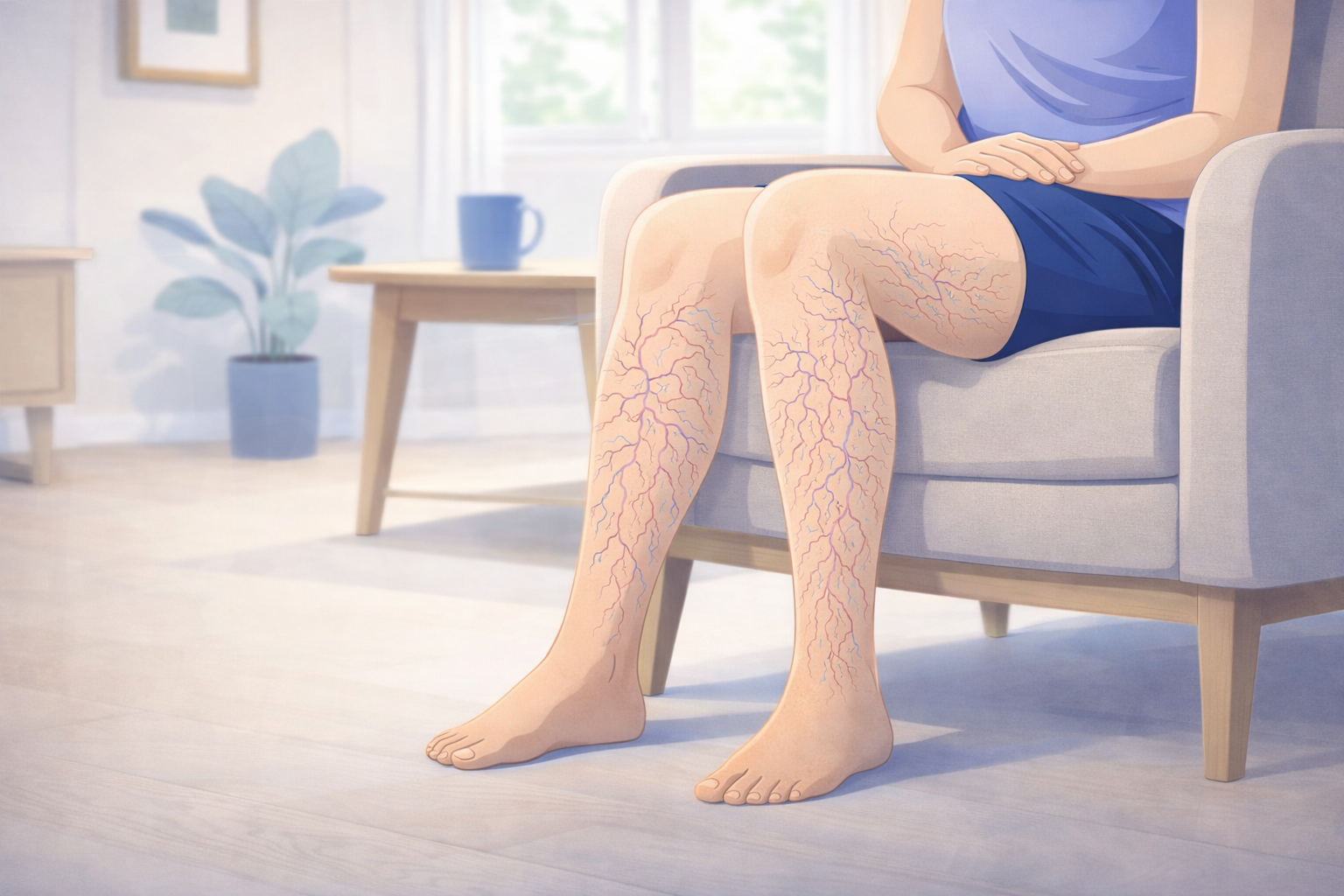
While Restless Leg Syndrome is often described as a neurological condition, many people are surprised to learn that vein problems can play a major role in RLS-like symptoms.
Conditions such as chronic venous insufficiency (CVI) occur when leg veins struggle to send blood back to the heart efficiently. This can cause blood to pool in the legs, leading to:
- Aching or throbbing sensations
- Heaviness or restlessness in the legs
- Symptoms that worsen at night or during rest
- Temporary relief with movement or walking
Sound familiar? These vein-related symptoms closely mirror what many people experience with RLS. In fact, for some patients, the “restless” feeling isn’t coming from the nerves alone—it’s coming from poor vein circulation.
How Vein Center of Wisconsin Can Help
At Vein Center of Wisconsin, specialists take a comprehensive approach to leg discomfort and nighttime symptoms. Rather than treating symptoms alone, they focus on identifying whether vein disease is contributing to restless legs.
Here’s how they help:
- Advanced vein evaluations to assess blood flow and vein function
- Non-surgical, minimally invasive treatments for vein disease
- Treatments designed to improve circulation, reduce pressure, and relieve leg discomfort
- Personalized care plans based on the root cause—not guesswork
Many patients with nighttime leg restlessness, aching, or fatigue experience significant improvement once underlying vein issues are treated.
Don’t Assume It’s “Just Restless Legs”
If your symptoms:
- Are worse in the evening or at night
- Improve when you move your legs
- Include heaviness, aching, or fatigue
- Haven’t improved with typical RLS remedies
…it may be time to look beyond nerves and consider your vein health.
Take the Next Step Toward Better Sleep and Healthier Legs
Restless legs don’t have to control your nights. If vein disease is part of the problem, addressing it can lead to meaningful, lasting relief.
A simple evaluation with Vein Center of Wisconsin could help uncover the cause of your symptoms—and get you back to restful sleep and comfortable legs.
Treatment Options for RLS
Treatment depends on the cause and severity of your symptoms. Options may include:
- Treating iron deficiency
- Improving circulation
- Adjusting medications
- Lifestyle changes (exercise, sleep routines, reducing caffeine)
- Medical therapies for nerve or vascular conditions
The key is identifying what’s triggering your symptoms.
When Should You See a Doctor?
You should consider seeking medical advice if:
- Your leg discomfort is frequent or worsening
- Symptoms disrupt your sleep regularly
- Home remedies aren’t helping
- You experience leg pain, swelling, or skin changes
RLS is treatable—and in many cases, relief starts with understanding the root cause.
Final Thoughts
If you’ve been tossing and turning at night, constantly moving your legs just to feel comfortable, you’re not alone. Restless Leg Syndrome is common, manageable, and often misunderstood.
Listening to your body is the first step. If something feels off, don’t brush it aside—better sleep and comfort may be closer than you think.